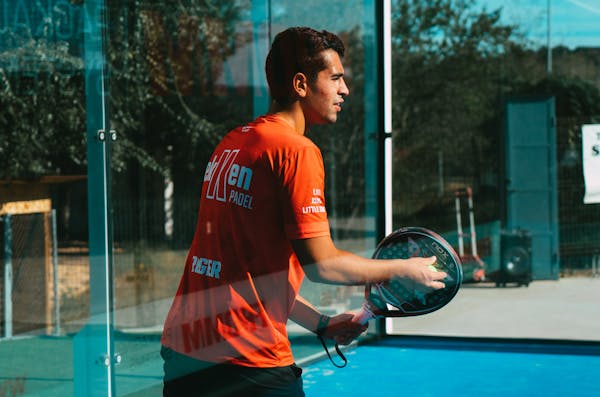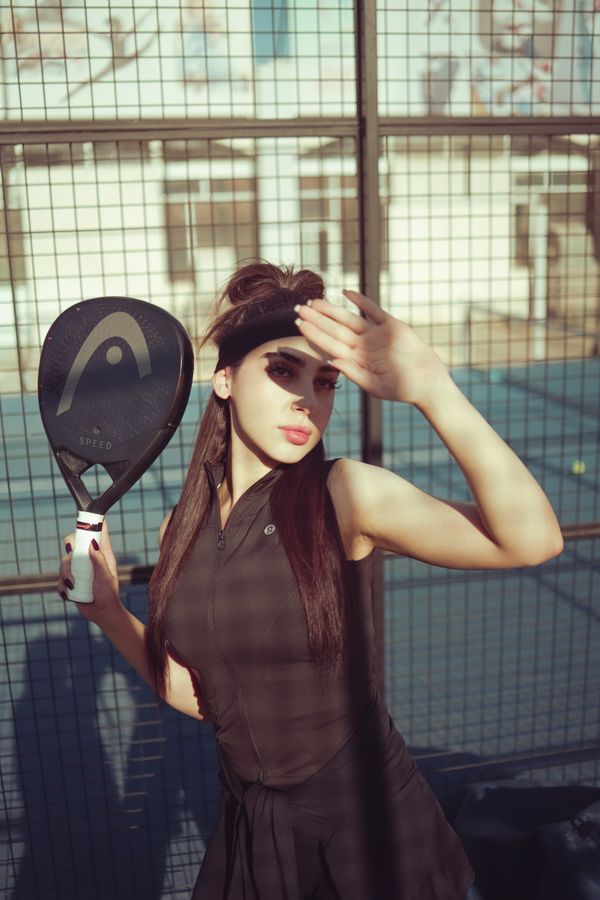

Thanks to its simple rules, padel is ideal for beginners, while still offering plenty of room for technical, tactical and physical development. Modern padel isn’t just about technique on court anymore — it’s also about how you prepare for the game. Proper muscle activation, mobility and body readiness before a match help you play better, with more confidence and less risk of injury. That’s where PadelBoost comes in – a simple way to prepare effectively, even when you don’t have time for a classic warm-up.
Padel Basics: Court, Gear and Rules
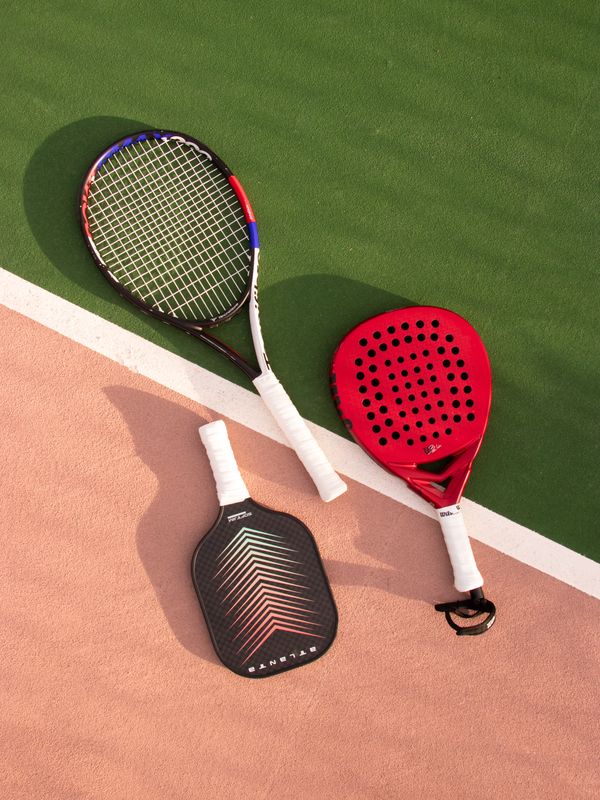
Padel is played on a court measuring roughly 10 × 20 metres, divided by a net into two halves. The back and side walls are an active part of the game, similar to squash. You’ll need a special padel racket, tennis-like balls, and shoes with good traction. The basic rule is simple: the ball may bounce once on the ground, then it may rebound off a wall, and only after that can you return it. The serve is played underarm, and matches are usually played to two won sets, similar to tennis. Beyond the gear, preparing your body for quick changes of direction, lunges and trunk rotations — all typical of padel — matters too. A short activation of your lower body and core before play significantly improves your movement on court — and that’s exactly where PadelBoost fits in as a practical tool for every player.
Racket Grip and Basic Shots
The most common grip is the so-called continental grip, where you hold the racket similar to a hammer. This grip lets you play both forehand and backhand fluidly without a major change in hand position. The basic shots include the forehand, backhand, volley at the net, lob and smash. Beginners should focus mainly on ball control, proper footwork and an early backswing. It’s important to keep a low centre of gravity, stay ready in a slight crouch, and quickly return to a neutral position in the middle of the court after every shot.

Training for Beginners: Step by Step
At the start, focus on simple drills with no pressure on the result. Practise baseline rallies, where you and a partner trade the ball at a slow pace and try to keep it in play as long as possible. Gradually add net drills, volley practice and simple lobs. Training with a coach is also very useful – a coach can feed you balls from a basket and correct your technique. Don’t forget a proper warm-up and shoulder and wrist mobility work, which helps prevent injuries.
Advanced Training: Tactics and Wall Play
Once you’ve mastered the basics, start training wall play deliberately. Learn to read how the ball rebounds off the glass and use it to your advantage in both defence and attack. Advanced training includes shot combinations, transitions from defence to attack, correct positioning of the pair on court, and communication with your partner. An important part of this stage is also practising padel-specific shots like the bandeja, víbora and aggressive smash. These shots let you keep the pressure on your opponents and finish rallies effectively.

Physical Preparation and Conditioning for Padel
Professional padel preparation involves systematic conditioning work. Focus on foot speed, explosiveness, core stability and endurance. Good options include interval runs, agility ladder drills, leg and core strengthening and balance exercises. Don’t skip stretching and recovery either — light jogging, foam rolling, and enough sleep. Good physical conditioning lets you maintain a high tempo throughout the match and reduces the risk of injury during sudden changes of direction.
Mental and Tournament Preparation
At a higher level, mindset and the ability to handle pressure make a real difference too. Work on concentration, a pre-serve routine, and positive communication with your partner. Before a tournament, set realistic goals, prepare tactics for different types of opponents, and analyse your own strengths and weaknesses. A combination of technical, physical and mental training will help you move from recreational level to semi-professional or professional play.