If you've searched "what is padel," here's the short answer: it's a racket sport played in doubles, on a small enclosed court about a third the size of a tennis court, where the walls are part of the game. It's a mix of tennis and squash — and it's currently the fastest-growing sport on the planet, with millions of new players picking up a racket every year across Europe, Latin America, the Middle East and North America.
Where did padel come from?
Padel was invented in Mexico in the late 1960s by Enrique Corcuera, who built a smaller, walled version of tennis in his backyard because he didn't have space for a full court. The idea spread to Spain and Argentina in the 1970s, and from there across Europe. Spain remains the sport's biggest market by far, followed by Italy, Sweden and a fast-growing scene in the US, UK and Middle East.
The court and equipment
A padel court measures roughly 10 × 20 metres, enclosed by glass and mesh walls that the ball can bounce off — similar to squash. Matches are played in doubles almost exclusively. You'll need a few things to play:
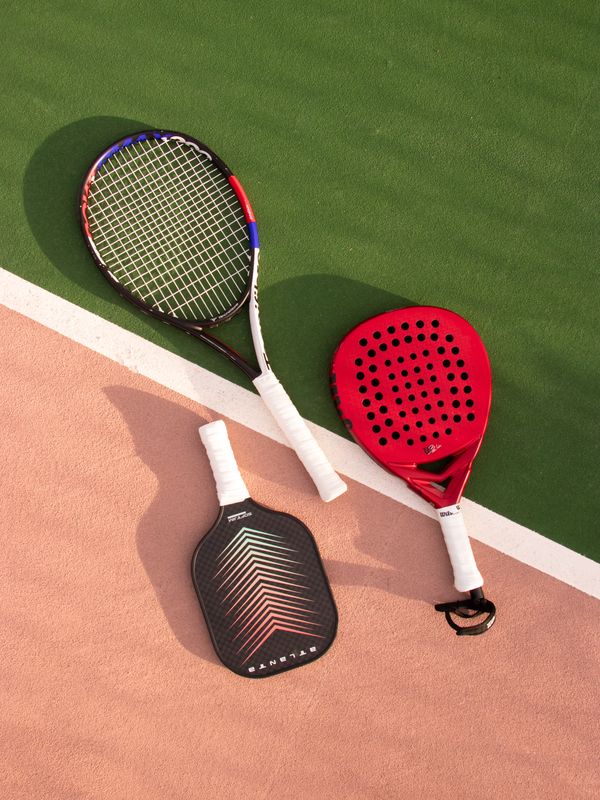
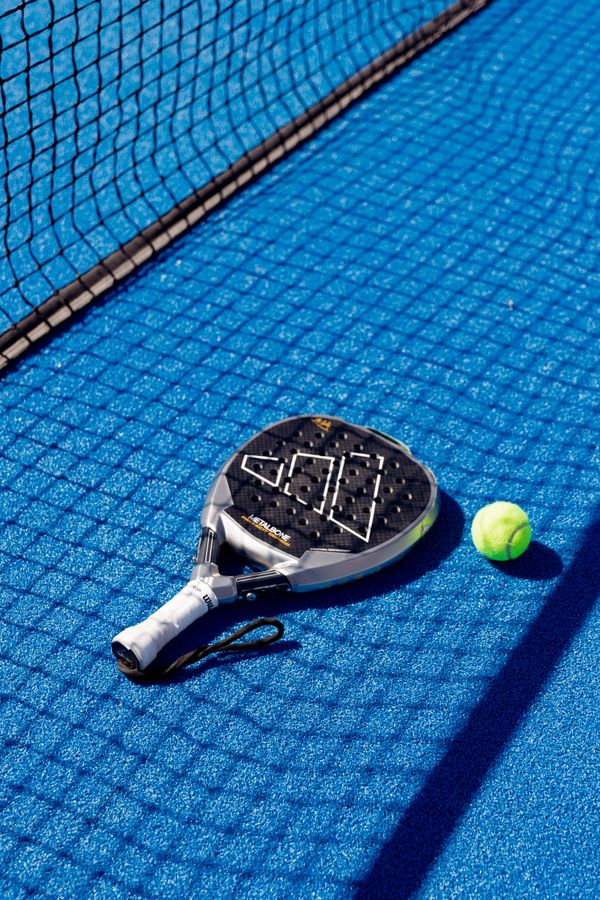
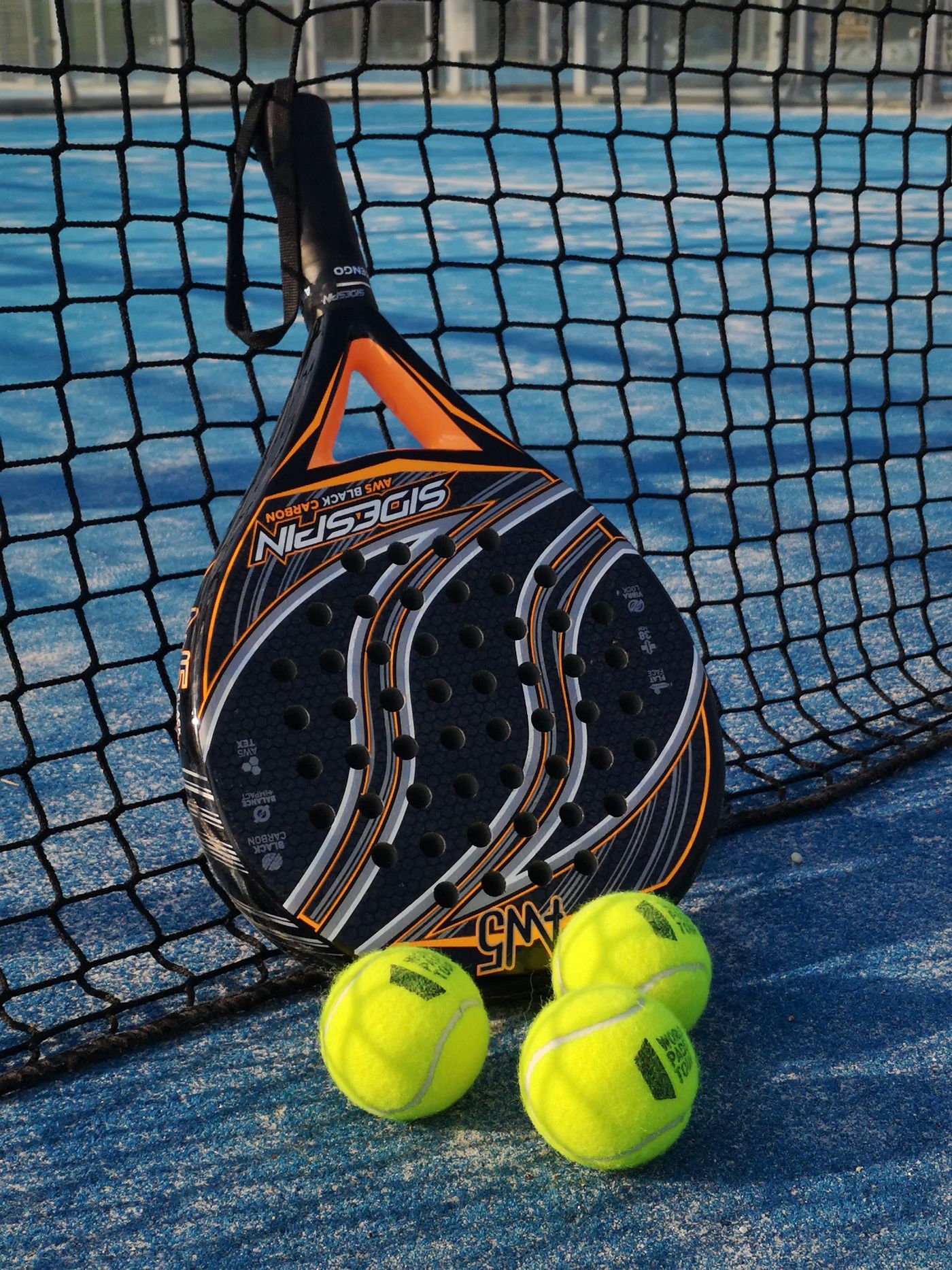
- A padel racket — solid, stringless, with holes, unlike a strung tennis racket
- A padel ball — similar to a tennis ball but with slightly lower pressure
- Court shoes with good grip — padel courts use artificial turf, not clay or hard court
How is padel scored?
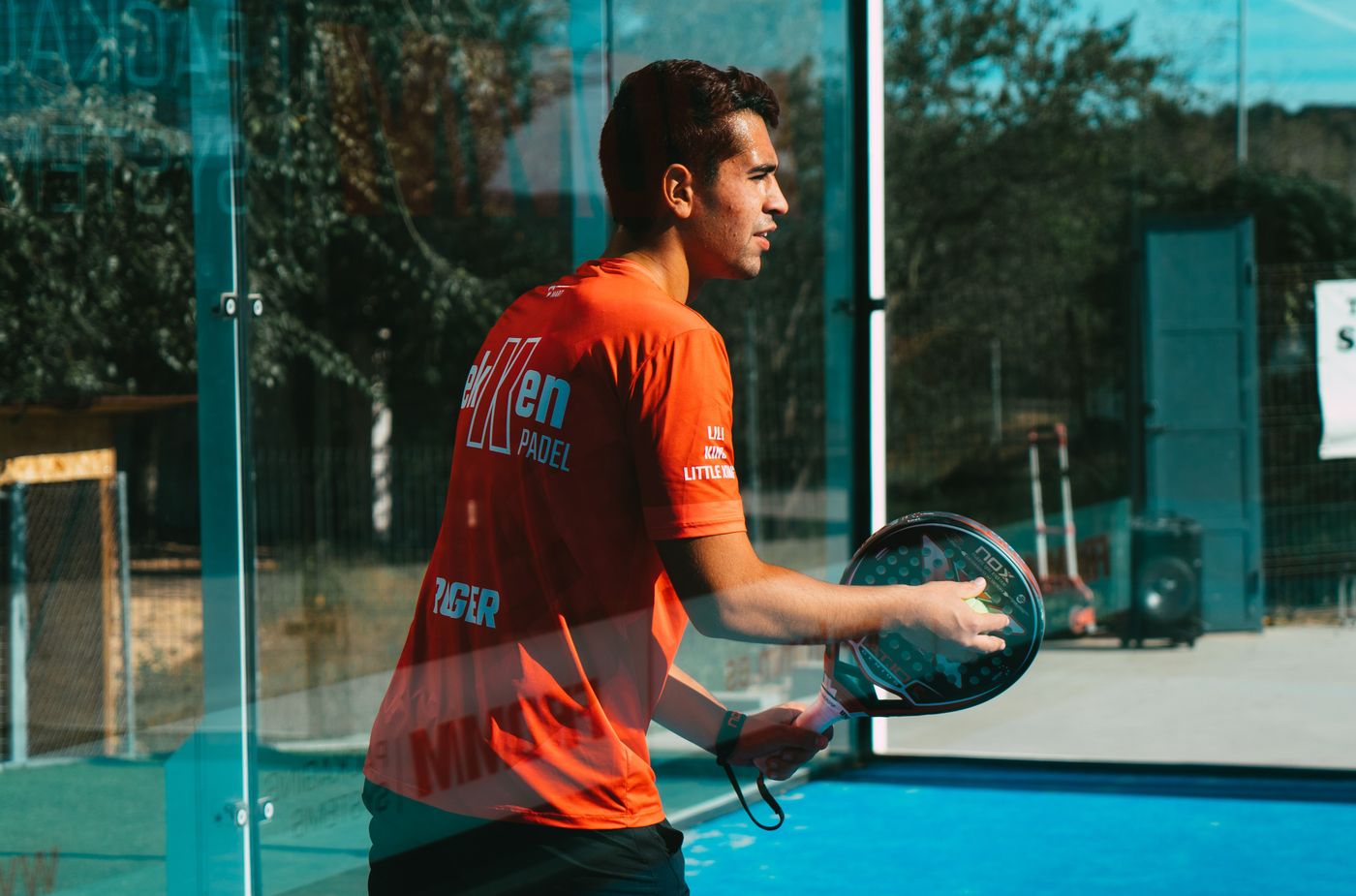
Padel uses the same scoring system as tennis: 15, 30, 40, game, with sets and a match typically played to the best of three sets. If you already know tennis scoring, you already know padel scoring — the only sport-specific rule to learn is that the ball may bounce once on the ground and then off a wall before you return it, and the serve is hit underarm.
Why is padel growing so fast?
A few reasons come up again and again in player surveys: it's social (you're always playing doubles, so it's a built-in group activity), it's easy to pick up (most beginners can keep a rally going in their first session), and it's less physically punishing than singles tennis, since the court is smaller and the walls do some of the work for you. It also photographs and streams well, which has helped it spread fast on social media and through padel-specific streaming coverage.
How does padel compare to tennis and pickleball?
Padel sits between tennis and squash: it keeps tennis's scoring and doubles format, but adds squash-style wall play and a much smaller court. Compared to pickleball — the other racket sport growing fast right now — padel is generally more physically intense and tactically layered, while pickleball is simpler to learn and gentler on the body. If you're deciding between the two, we've written a full padel vs pickleball comparison that breaks down the differences in detail.
How do I get started?
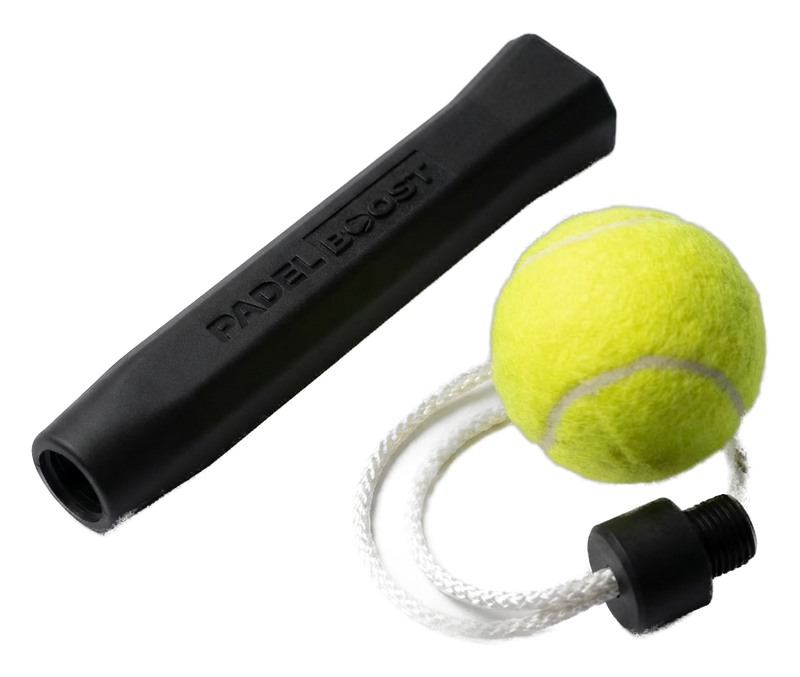
Most players start with a taster session or a beginner class at a local club — padel clubs almost always rent rackets, so you don't need to own anything to try it. Once you're hooked, a short daily warm-up routine before you get on court makes a real difference to how quickly you improve; that's exactly what a tool like PadelBoost is built for. For the full breakdown of rules, technique and training, read our guide on how to play padel from basics to pro-level preparation.